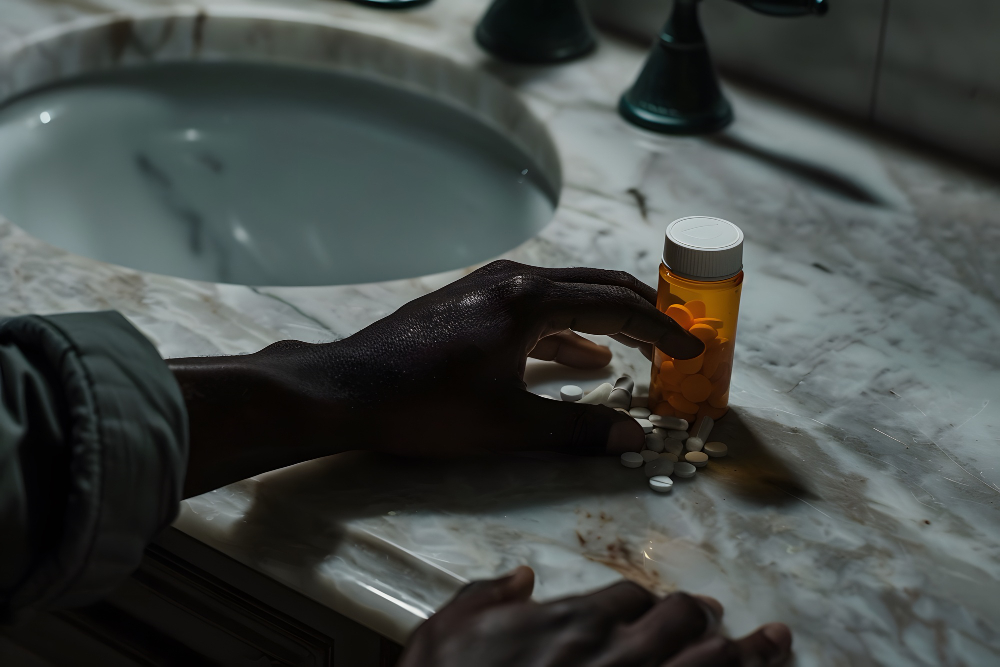
There comes a moment when you pause and realise that your relationship with a substance is no longer helping you cope. It may be affecting your sleep, mood, work, or relationships. You may feel caught between wanting to stop and not knowing how. If this feels familiar, you deserve a safe, respectful space to talk about it and explore the support available to you.
What are substance use disorders?
Substance use disorders involve difficulties in controlling the use of alcohol, medication, or drugs, even when they begin to cause emotional, physical, or social distress. They do not develop overnight. They often begin as small habits that slowly grow into harder-to-manage habits over time. This is not a sign of failure. It is a sign of distress. It is a sign that your mind and body are asking for support.
Substance use can affect people of any age, background, or circumstance. It can be linked to stress, trauma, overwhelming emotions, or underlying conditions such as Mood Disorders or Anxiety and OCD.
How do substance use disorders affect my daily life?
The impact can be gradual or sudden. It may show up in ways you never expected.
Common experiences include:
- Increasing tolerance or needing more to feel the same effect
- Difficulty stopping or cutting back
- Using substances to cope with stress, sadness, or fear
- Feeling unwell or anxious when not using
- Strained relationships
- Trouble with work, school, or responsibilities
- Sleep disturbance or irregular routines
You may feel embarrassed or scared to talk about it. These feelings are normal, but do not define you. They also do not prevent you from getting the support you need.
Why do substance use disorders develop?
There is never just one reason. Many people use substances to cope with emotional pain, trauma, or overwhelming thoughts. Others struggle due to social pressure, stress, or biological vulnerability.
You may relate to:
- Using substances to feel calmer or more confident
- Trying to numb emotional pain
- Using to “switch off” your mind
- Using to manage symptoms of depression or anxiety
- Using to escape stressful or difficult situations
If your substance use has developed alongside feelings of hopelessness, you may find reassurance by reading our Suicidal Thoughts service page for additional support pathways.
How does psychiatric care help me?
At UpLift Mental Health, treatment begins with understanding your story. You are encouraged to speak openly about your experiences, your challenges, and your goals. There is no judgment, nor assumption. You receive support that respects your dignity and your unique circumstances.
Psychiatric care may help you:
- Understand your triggers
- Manage cravings and emotional discomfort
- Build healthier coping strategies
- Improve your sleep and routine
- Reduce the impact of withdrawal symptoms
- Strengthen motivation for change
- Address underlying mood or anxiety conditions
- Develop long-term strategies for stability
What practical steps can I start today?
Here are small but meaningful actions you can take right now:
- Keep track of when and why you use substances
- Create small gaps between urges and actions
- Reach out to a friend or family member you trust
- Avoid environments that make it harder to stop
- Drink more water and eat regular meals to support your body
- Seek professional support when you feel ready
You are not alone, and support is available
If you feel stuck or overwhelmed, reaching out is an important first step. You are welcome to begin that step at Uplift Mental Health. You deserve care that meets you with understanding and offers a pathway towards greater stability and well-being. Contact us today.